 All About Pets
Puppy vaccinations get confusing fast. You hear about 8-week shots, 12-week boosters, DHPP, Bordetella, rabies, and vaccines your dog may or may not need.
The schedule is simpler than the terminology.
Most puppies begin their core vaccine series at 6–8 weeks old, receive additional doses every 2–4 weeks through at least 16 weeks, and then transition to vaccine-specific boosters as adults.
Here’s what that schedule typically looks like.
Dog Vaccination Schedule at a Glance
Puppies need vaccinations much more frequently than adult dogs because those early appointments are part of an initial vaccine series.
Here’s the basic timeline:
| Dog’s age | Typical vaccination schedule |
|---|---|
| 6–8 weeks | Begin distemper, adenovirus, parvovirus +/- parainfluenza combination vaccine |
| 10–12 weeks | Continue the combination vaccine series; leptospirosis can begin at 12 weeks |
| 14–16+ weeks | Continue/finalize initial core vaccine series; rabies according to local law |
| Within 1 year of the initial series | Combination and leptospirosis boosters |
| Adult dog | Combination vaccine generally every 3 years; leptospirosis annually; rabies according to applicable requirements; lifestyle vaccines based on risk |
The American Animal Hospital Association (AAHA) recommends at least three doses of a combination vaccine containing distemper, adenovirus, and parvovirus between 6 and 16 weeks old. These doses are typically spaced 2–4 weeks apart.
But use this table as a planning guide, not an appointment card.
Your veterinarian may adjust the timing based on your dog’s age, health, vaccination history, lifestyle, local disease risks, and the specific vaccines used.
Puppy Vaccine Schedule: 6 weeks to 1 year
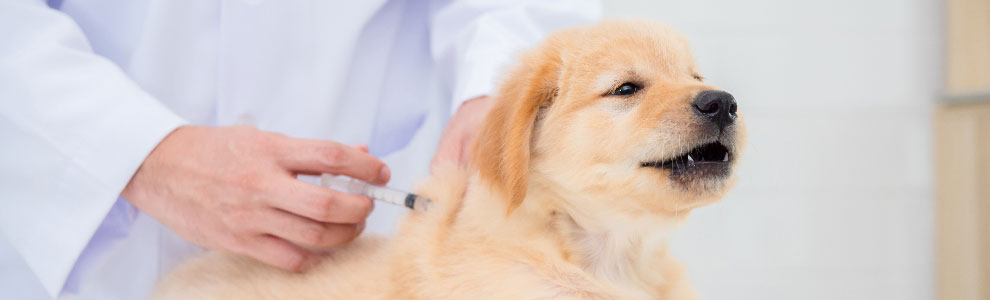
Puppies receive multiple vaccine doses because protection inherited from their mother can interfere with vaccination during their first few months.
These maternal antibodies help protect young puppies, but they can also prevent a vaccine from producing the desired immune response.
The tricky part is that there’s no universal day when maternal protection disappears.
Repeating vaccinations at specific intervals helps address that uncertainty as maternal antibodies decline and the puppy’s own immune system becomes capable of responding effectively.
Here’s how that typically works.
6–8 weeks: Start the core vaccine series
Most puppies can begin their combination vaccine series between 6 and 8 weeks old. This is also around the time you’ll be scheduling several other pieces of preventive care, so our new puppy veterinarian checklist can help you prepare for those first appointments.
The combination vaccine generally protects against:
- Canine distemper: A contagious viral disease that can affect the respiratory, gastrointestinal, and nervous systems.
- Canine adenovirus: Vaccination helps protect against infectious canine hepatitis caused by type 1 canine adenovirus.
- Canine parvovirus: A highly contagious disease that can cause severe gastrointestinal illness and is particularly dangerous to puppies.
- Parainfluenza: A respiratory virus associated with canine infectious respiratory disease that may be included in the combination vaccine.
You’ll see abbreviations such as DAPP, DA2PP, and DHPP used for these combination vaccines.
You don’t need to memorize the alphabet soup. You do need to know that one early puppy vaccination doesn’t complete the series.
For example, an 8-week-old puppy might come home with paperwork documenting one combination vaccine. That’s useful, but the puppy still needs additional doses.
AAHA recommends at least three combination doses between 6 and 16 weeks of age, administered 2–4 weeks apart.
10–12 weeks: Continue the vaccine series
Your puppy will generally receive another dose of the combination vaccine according to the schedule established by your veterinarian.
This is also when leptospirosis vaccination can begin.
AAHA recommends starting the leptospirosis vaccine at 12 weeks of age. The initial series consists of two doses given 2–4 weeks apart.
This matters because older vaccination guides may classify leptospirosis differently. AAHA updated its canine vaccination guidelines in 2024 to designate leptospirosis vaccination as a core vaccine for all dogs.
Leptospirosis is a bacterial disease that can cause serious illness and spread between animals and humans. Dogs can encounter the bacteria in urban, suburban, and rural environments.
In other words, leptospirosis isn’t only a concern for farm dogs drinking from muddy ponds. A small dog spending most of its time outdoors in a suburban neighborhood may still experience environmental exposure.
14–16+ weeks: Complete the initial series
Puppies should continue the combination vaccine series through at least 16 weeks of age.
Those later doses matter because maternal antibodies may have prevented an earlier vaccination from producing the desired immune response.
AAHA recommends at least three combination doses for dogs between 6 and 16 weeks old. In areas with a particularly high risk of parvovirus or distemper, vaccination may continue until 18–20 weeks of age.
A puppy that began its two-dose leptospirosis series at 12 weeks may also complete it during this period.
Then there’s rabies.
Unlike the other vaccines in this schedule, you shouldn’t use a generic online timeline to determine exactly when your dog needs a rabies vaccine.
Applicable laws govern rabies vaccination requirements. Timing and revaccination requirements can therefore vary depending on where you live. If you’ve wondered why some rabies vaccinations are considered good for one year and others for three, we explain the distinction in our frequently asked questions about dog health.
Within 1 year: Give the First Adult Boosters
Finishing the puppy series isn’t the end of the vaccination schedule.
AAHA recommends another dose of the distemper, adenovirus, and parvovirus combination vaccine within one year of the final dose in the initial series.
Leptospirosis also requires a booster within one year of the initial series.
After that, your dog moves onto the adult vaccination schedule.
Adult Dog Vaccine Schedule
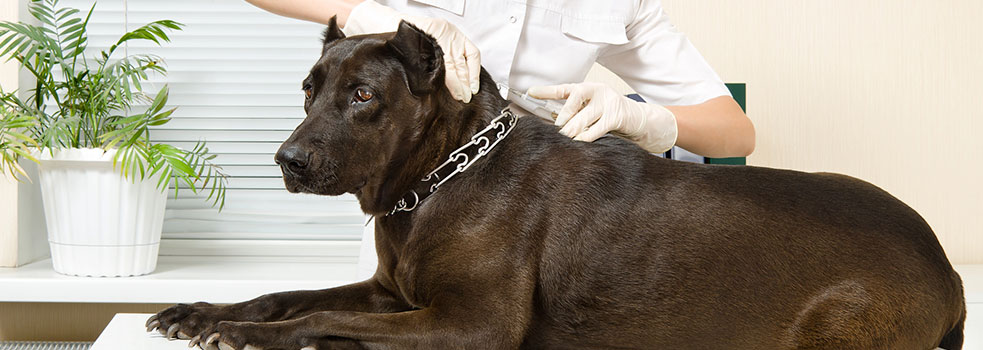
Adult dogs don’t necessarily need every vaccine every year.
That’s an important distinction because people commonly refer to an annual veterinary visit as the time for a dog’s “annual shots.”
The appointment may be annual. Each vaccine isn’t.
Here’s the typical schedule:
| Vaccine | Typical adult booster schedule |
|---|---|
| Distemper/adenovirus/parvovirus +/- parainfluenza | Every 3 years after the first post-initial-series booster |
| Leptospirosis | Annually |
| Rabies | According to applicable law and vaccine requirements |
| Bordetella | Generally, annually, when indicated |
| Canine influenza | Generally, annually after the initial series, when indicated |
| Lyme disease | Generally, annually after the initial series, when indicated |
AAHA recommends a distemper, adenovirus, and parvovirus combination booster within one year of the initial series, followed by boosters at three-year intervals.
Leptospirosis follows a different schedule. After the initial two-dose series and first booster, revaccination is recommended annually.
Lifestyle vaccines have their own schedules.
This is why vaccination records beat remembering that “Buddy gets his shots every spring.” One vaccine might be due this year, while another isn’t due for two more.
Core Vaccines Protect Against Baseline Risks
Core vaccines are recommended for all dogs regardless of lifestyle unless there’s a specific medical reason not to vaccinate.
AAHA’s current core recommendations include:
- Canine distemper
- Canine adenovirus
- Canine parvovirus
- +/- canine parainfluenza
- Leptospirosis
- Rabies
These form the foundation of a dog’s vaccination plan.
But “core” doesn’t mean they all follow the same schedule. Leptospirosis generally requires annual boosters, while the distemper/adenovirus/parvovirus combination generally moves to a three-year interval in adulthood.
That’s why knowing when your dog received each vaccine matters as much as knowing which vaccines they received.
Lifestyle Vaccines Depend on Where Your Dog Goes

Some vaccines are important depending on where your dog lives and what they do.
AAHA categorizes several vaccines as noncore, including:
- Bordetella
- Canine influenza
- Lyme disease
- Western diamondback rattlesnake toxoid
“Noncore” doesn’t mean “unnecessary.” It means the recommendation depends on the individual dog’s exposure risk.
Consider two dogs.
One takes neighborhood walks and rarely interacts with unfamiliar dogs. The other goes to daycare three times a week, gets boarded during vacations, and spends weekends hiking.
Their exposure risks differ, so their vaccination plans may differ, too.
Regular daycare, boarding, or trips to a dog park can increase exposure to respiratory diseases such as Bordetella. Frequent outdoor activity in areas with infected ticks can increase a dog’s risk of Lyme disease.
And those risks change over time.
A puppy that spends its first year mostly at home might start daycare as an adult. You might move to another state. Your dog might become your regular hiking companion.
AAHA recommends reassessing these individual risks at least annually.
So instead of asking only, “Which vaccines did my dog get last year?” ask your veterinarian, “Has anything about my dog’s exposure changed what you recommend?”
What if your Dog Missed a Vaccine?
Missing a booster doesn’t automatically mean restarting every vaccine series.
What happens next depends on the vaccine, how long it’s been overdue, your dog’s documented vaccination history, and the vaccine manufacturer’s instructions.
For example, being a few months late for a previously established booster isn’t necessarily handled the same way as having no reliable record of the initial series.
Contact your veterinarian and provide the most recent vaccination records you have. They can determine the appropriate catch-up schedule.
AAHA recommends consulting the vaccine manufacturer’s instructions when managing overdue vaccinations, as recommendations can vary by product.
What If You Don’t Know Your Dog’s Vaccination History?
An unknown vaccination history needs a different approach from a documented but overdue vaccine.
This often happens with adopted dogs.
Maybe your new dog came from a rescue with incomplete records. Maybe you’ve taken in a stray. Or perhaps the previous owner simply can’t provide documentation.
Don’t assume an adult dog is protected because it looks healthy or because someone remembers it “getting shots.”
AAHA states that vaccination benefits generally outweigh the risks for dogs with an unknown immune or vaccination status.
A veterinarian can establish a new schedule based on your dog’s age, available records, health, and exposure risks rather than trying to reconstruct a medical history from guesswork.
Where to Vaccinate Your Dog

You have several options for getting your dog vaccinated.
Depending on where you live, these may include:
- Full-service veterinary hospitals
- Veterinary wellness or vaccination clinics
- Mobile veterinary clinics
- Shelter or community vaccination clinics
A regular veterinary clinic offers continuity. Your veterinarian can consider your dog’s medical history, current health, lifestyle, and previous vaccinations when making recommendations.
Community and low-cost vaccination clinics can make routine preventive care more accessible, particularly when cost is a concern.
Whichever option you choose, keep the records.
Proof of vaccination may be needed for boarding, daycare, grooming, travel, licensing, or other activities. Those records also tell your veterinarian exactly what your dog received and when.
“I think she got everything last summer” isn’t much help when someone needs to determine whether a booster is due.
Ask Your Veterinarian These Questions
Vaccination schedules aren’t identical for every dog. Age establishes the basic schedule, but lifestyle, location, previous vaccinations, and local rabies requirements can all change what your veterinarian recommends.
Here are answers to some of the most common questions dog owners have about vaccinations.
Which core vaccines does my dog need?
AAHA currently recommends core vaccination against canine distemper, adenovirus, parvovirus, leptospirosis, and rabies for all dogs unless there’s a specific medical reason not to vaccinate. Parainfluenza may also be included in the combination vaccine.
Exactly what’s due depends on your dog’s age and vaccination history. For example, an adult dog that completed its initial distemper, adenovirus, and parvovirus series generally receives boosters every three years, while leptospirosis boosters are recommended annually.
Rabies is different because applicable laws also determine vaccination requirements.
What is the average price of dog vaccines?
Costs of vaccines can vary by veternarian, location, and service:
- Puppy Wellness Package (includes exam fee and scheduled vaccines) ($200)
- Routine Vet Checkup ($50 – $100)
- DHPP-L ($20 – $30)
- Heartworm Test ($50 – $100)
- Rabies ($20 – $30)
- Bordetella ($20 – $40)
Which lifestyle vaccines might my dog need?
Your dog’s activities and exposure risks can make additional vaccines worthwhile.
AAHA classifies Bordetella, canine influenza, Lyme disease, and Western diamondback rattlesnake toxoid as noncore vaccines. That doesn’t mean they’re unimportant. It means the decision depends on the individual dog.
A dog that regularly attends daycare or boarding facilities, for example, has different exposure risks from one that rarely encounters unfamiliar dogs. A dog that hikes in an area where Lyme disease is prevalent has another set of risks.
Your veterinarian can assess these factors and determine which vaccines should be added to your dog’s core vaccination plan.
When does my dog need vaccine boosters?
There’s no single booster schedule for every dog vaccine.
After completing the initial series and first booster, the distemper, adenovirus, and parvovirus combination is generally given every three years. Leptospirosis is generally given annually.
Many lifestyle vaccines, including Lyme disease and canine influenza, also require annual boosters when continued protection is appropriate.
Rabies vaccination follows applicable laws and the requirements of the vaccine being used.
The easiest approach is to keep your dog’s vaccination record and check which individual vaccines are due rather than assuming your dog needs the same shots every year.
Does daycare or boarding change which vaccines my dog needs?
It can.
Dogs in daycare and boarding facilities spend more time in close contact with other dogs, increasing their potential exposure to infectious respiratory diseases.
That exposure may influence recommendations for vaccines such as Bordetella and canine influenza. Individual facilities may also establish their own vaccination requirements before they’ll accept a dog.
If you’re planning to board your dog, don’t wait until drop-off to check. Ask the facility what vaccinations it requires and discuss those requirements with your veterinarian beforehand.
Can grooming, hiking, hunting, swimming, or traveling change my dog’s vaccine needs?
Yes. Where your dog goes can be just as important as where your dog lives.
Frequent contact with unfamiliar dogs can increase the risk of respiratory disease. Outdoor activities can increase exposure to wildlife, ticks, standing water, and other potential sources of infectious disease.
Travel adds another variable because diseases uncommon at home may be more prevalent at your destination.
Tell your veterinarian what your dog actually does. “Mostly indoors” doesn’t tell the whole story if your dog also spends every summer camping, swimming, and hiking with you.
Does where I live affect which dog vaccines are recommended?
Yes, particularly for diseases whose prevalence varies geographically.
Lyme disease is a good example. AAHA considers the Lyme vaccine noncore nationally, but notes that traditionally noncore vaccines may effectively become core recommendations for individual dogs in regions where the disease is endemic.
Travel matters too. A dog’s vaccination plan should account for meaningful exposure at both home and destinations you regularly visit.
This is one reason AAHA recommends reassessing a dog’s vaccination needs at least annually, rather than setting a single schedule and following it unchanged for life.
What should I expect after my dog gets vaccinated?
Most dogs have no significant problems after vaccination. When side effects occur, they’re usually mild and short-lived.
You may notice soreness or swelling around the injection site, mild lethargy, a temporary reduction in appetite, or a mild fever. Some minor reactions can last for a day or two.
Give your dog a little time to take it easy and monitor them for anything unusual.
If mild symptoms worsen or persist beyond 1–2 days, contact your veterinarian.
When should I call a veterinarian about a vaccine reaction?
Contact your veterinarian immediately if your dog develops signs of a potentially serious allergic reaction after vaccination.
Warning signs include:
- Difficulty breathing
- Facial swelling
- Hives or itchy, bumpy skin
- Vomiting
- Diarrhea
- Collapse
Serious vaccine reactions are uncommon, but they can require immediate treatment.
If your dog has experienced a vaccine or medication reaction in the past, tell your veterinarian before the next vaccination. That history can help them determine the safest vaccination plan for your dog.
Final Thoughts On Vaccines for Dogs
The simplest way to remember your dog’s vaccination schedule is to divide it into four stages:
Puppy: Start core vaccinations around 6–8 weeks and continue the initial series through at least 16 weeks.
First year: Complete the recommended post-series boosters.
Adult: Follow the booster interval for each vaccine instead of assuming every vaccine is annual.
Throughout life: Reassess your dog’s lifestyle, travel, health, and exposure risks with your veterinarian.
And keep the paperwork.
A vaccination record turns a confusing collection of “shots” into a preventive-care schedule you and your veterinarian can follow throughout your dog’s life.