 All About Pets
Did you know that 1 in 4 dogs will develop cancer in their lifetime? And that’s just one of many health challenges our dogs silently face. No matter how well we care for them, dogs are prone to a range of health conditions that can develop gradually with little warning. The good news is that most of these conditions are manageable, but only if you know what to look for. Here are the 13 most common dog health problems a vet wants every owner to know about.
Cancer

Hearing this as a diagnosis can be extremely scary. There are a few things that need clarification about cancer. The definition of cancer is the accumulation and overgrowth of cells. There are two categories of cancers: benign or malignant.
Benign Cancer
Benign means that the growth of cells is not life-threatening and they will not spread to other parts of the body.
Malignant Cancer
Malignant cancer means that these types of cancers are more serious and are potentially life-threatening if left untreated. Cancers usually develop in dogs later in life, but a few can present in younger dogs. Diagnosis often includes inserting a needle directly into the mass and sending the sample to a pathologist for confirmation of the cell type. Treatment varies but often includes surgical excision, chemotherapy, radiation, and other medications. Your veterinarian can guide you on the appropriate care for your pet.
Lipomas
Lipomas are benign tumors composed of fat cells. This type of cancer usually presents in older dogs. They are soft bumps that appear under the skin. Many of these do not need to be removed unless they are impeding the function of a joint.
Mastocytoma
Mastocytoma is a type of cancer that can present in younger dogs. Boxers, pugs, and bulldogs are more predisposed to mast cell tumors. This type of cancer can be life-threatening, but if detected early, it can be removed. However, if your dog does develop a mast cell tumor that is then removed, they may get another down the road. These tumors look similar to lipomas at first, so getting an early diagnosis with your vet is important.
Lymphoma
Lymphoma is a cancer of the lymph nodes. It usually presents as a neck swelling. Golden retrievers, Scottish terriers, and basset hounds are breeds with a higher incidence of lymphoma. Overall, lymphoma accounts for about 10-20% of cancer in dogs.
Mammary gland tumors
Mammary gland tumors are one of the most common cancers in female dogs, with roughly 42% of cases being malignant. They can occur in any female dog that has gone through a heat cycle, which is why early spaying is strongly recommended, ideally before the first heat cycle, to significantly reduce the risk.
Signs to watch for include lumps or swellings along the mammary glands, discharge, or changes in the skin around the area. Regular at-home checks of your dog’s belly and chest can help you catch any unusual growths early. If you notice anything suspicious, schedule a vet appointment promptly, as early detection greatly improves the outcome.
Allergies

Allergies in dogs usually present in several ways. Unlike humans, canines do not sneeze or have a runny nose.
Common allergy symptoms include:
- Itchy or Red Skin
- Ear Infections
- Digestive Upset
Dogs can be allergic to environmental factors like pollen, grass, and dust. Proteins like chicken and beef, not grains, are the most common triggers of food allergies in dogs. Reducing exposure in combination with medications, shampoos, topical ointments, and foods can help treat and manage your dog’s allergies.
Parasites
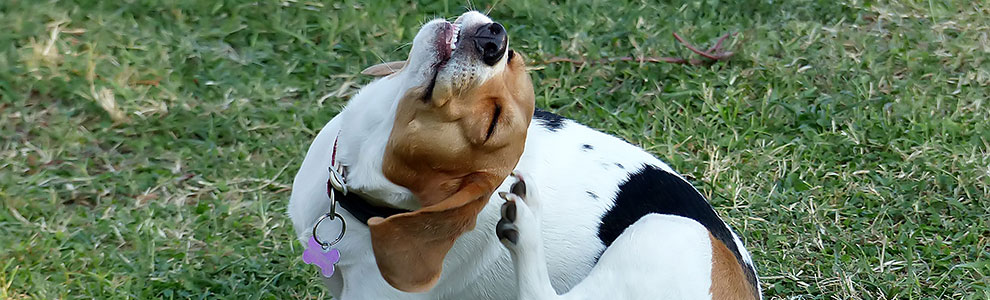
Intestinal worms are commonly found in dogs. Puppies often get them from their mother and present with bloated, round bellies. Roundworms, hookworms, and tapeworms are acquired through fecal-oral transfer. This means that dogs that eat dead animals, like birds and mice, or eat poop, can get worms.
Intestinal worms feed off the host and can cause malnutrition and anemia. Treatment for worms in most cases involves administering a deworming medication that covers multiple worm types. Often, multiple doses are required to completely eliminate the infestation.
Fleas, lice, ticks, and scabies are all bugs that live on the surface of your pet’s skin. Many of these can be transferred from other pets and humans. It is important not only to treat your pet’s condition but also to thoroughly clean any soft surfaces, such as bedding, furniture, and carpet, that your pet has come into contact with while infected.
Parasite prevention is key to managing parasites, but there are also treatment options.
Pest treatment includes products such as shampoos, collars, and topical creams. Most infestations are cleared relatively easily. However, it is important that your veterinarian be aware of any of these infestations, as ticks can carry Lyme disease. Mostly, these infestations present with itching and redness, as well as the visual appearance of the pests on the skin.
Osteoarthritis
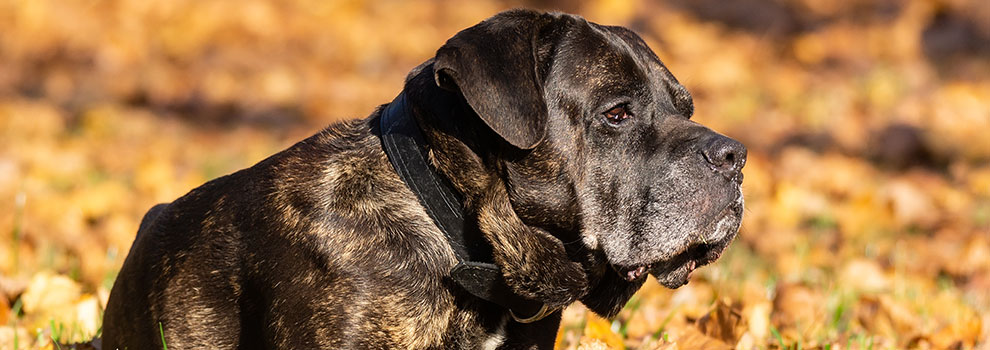
The lifespan of dogs is increasing with better knowledge and healthcare. Osteoarthritis is a common reason that many older, large-breed dogs are euthanized. Dog-specific pain and anti-inflammatory drugs have allowed our four-legged friends to live longer, more comfortable lives. Maintaining a healthy weight, physical therapy, water therapy, and laser therapy can be used in conjunction with medication to help relieve inflammation and symptoms.
It is important to be aware of the signs of osteoarthritis, such as limping, slow getting up, unsureness of stairs and slick surfaces, and hesitation on walks. X-rays and a physical exam by a veterinarian can help determine the best course of treatment.
Hip Dysplasia
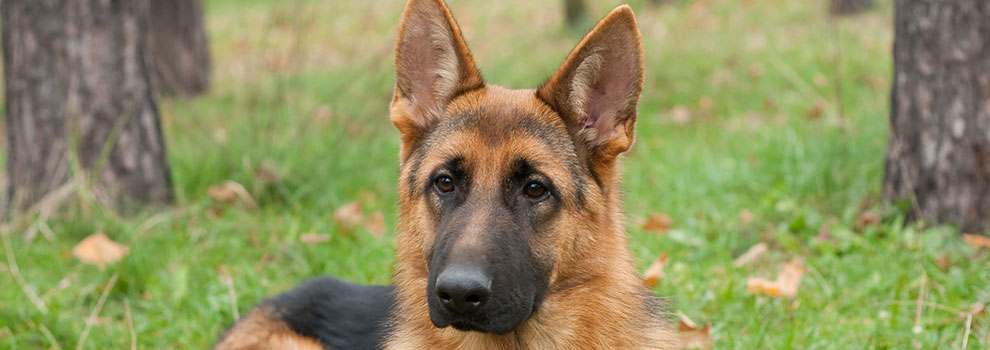
Hip dysplasia affects many large-breed dogs, such as mastiffs, German shepherds, and Newfoundlands. This is an abnormality of the hip joint. It is often genetic and present in puppies. These types of symptoms often do not present until later in life.
Because the dog has hip dysplasia, they will develop osteoarthritis. The signs and symptoms are the same. However, upon x-ray the veterinarian will be able to visualize the abnormality. There are also a few surgical options for hip dysplasia, depending on a dog’s age. Often, a total hip replacement, where an artificial joint replaces the abnormal joint, can be an option to alleviate pain and discomfort. Surgical procedures require an orthopedic specialist and are expensive.
Cruciate Ligament Injury

There are two cruciate ligaments in a dog’s knee, the cranial and caudal (these are the same structures as humans’ anterior and posterior cruciate ligaments). Humans often experience sports-related injuries with these ligaments, as do dogs. These ligaments are torn during fast-paced play and activities, such as running and jumping. These dogs will yelp and limp right away.
A veterinarian will perform a series of range-of-motion and stability tests on the knee if a tear is suspected. X-rays are needed as well. A partially torn ligament may require cage rest and medications to promote healing, but surgery is usually the option for repairing a torn ligament. Once again this is an expensive surgery that usually a specialist performs.
Heart Murmur
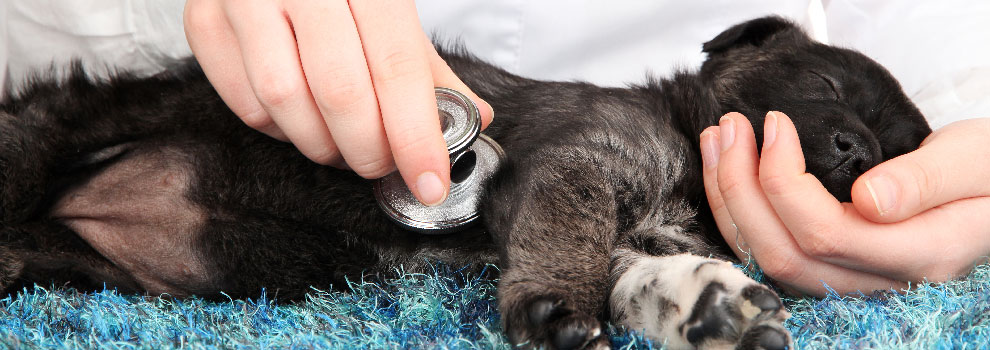
Blood is supposed to circulate through the heart in one direction. When the blood flows backwards, there is a distinct whooshing sound. This is called a heart murmur. Many puppies have heart murmurs that resolve over time and are not a significant health concern. This is due to a slower closure of a hole between the top two chambers of the heart that persists during fetal development.
Heart murmurs in older dogs indicate an underlying heart issue that needs monitoring and management. While many cases can be managed with medication, lifestyle adjustments also play an important role in keeping your dog comfortable. Limiting strenuous exercise, avoiding extreme heat, and maintaining a healthy weight can all reduce the strain on your dog’s heart.
Your veterinarian may recommend periodic chest X-rays and echocardiograms to monitor the progression of the condition. Catching changes early allows for timely medication adjustments that can significantly extend your dog’s quality of life.
Liver and Kidney Disease

The liver and kidneys filter and process everything in the body. As a dog ages, the function of these organs decreases. Trauma, cancer, infection, and toxins can also cause injury to these organs in younger pets.
The symptoms of these diseases are often not noticed in the early stages. Vomiting, reduced appetite, and jaundice can be present. Routine blood work helps establish a baseline and allows a veterinarian to detect abnormalities earlier. Although these diseases are not curable, early detection can delay the progression of the disease and reduce its severity, prolonging your pet’s life.
Gastrointestinal Conditions
There are countless things that can cause gastrointestinal upset in your dog. Something as simple as your dog getting into the garbage can cause vomiting and diarrhea. Other factors, such as stress, inflammatory diseases, allergies, toxins, infections, and cancers, can cause issues. Some of the simpler cases can be treated with probiotics, antibiotics, and bland diets.
Persistent gastrointestinal issues may require additional testing, including bloodwork, x-rays, or an ultrasound. It is important to follow up with your veterinarian if things are not improving.
Hypothyroidism

The thyroid gland produces hormones. As a dog gets older, the thyroid gland shrinks and produces less hormone. Symptoms include: hair loss, lethargy, and weight gain. Blood tests are used to confirm that your pet is hypothyroid. There is no cure, but daily medication will help your dog return to normal. Medication adjustments require blood work monitoring.
Urinary Tract Infections
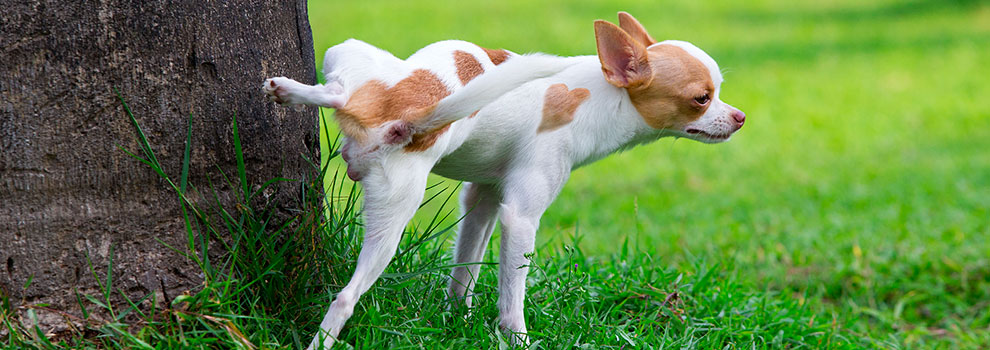
Frequent urination can be a sign of urinary tract infections. They may want to go out frequently and will often only void small amounts. Testing for a urinary tract infection is relatively easy: a sample is sent to a lab to confirm the symptoms. Antibiotics usually clear up the infection, but sometimes underlying conditions, such as bladder stones or kidney disease, can cause it to persist.
Toxicity Poisoning

Most toxic poisonings occur by accidental ingestion. Dogs follow their noses, which leads them to trouble. Many dogs don’t know what they can’t eat. They can get items from garages, cabinets, counters, and garbage cans relatively easily. They usually consume large amounts quickly.
Common items that dogs eat that are toxic include:
- Chocolate
- Raisins
- Grapes
- Rat Poison
- Certain Nuts
- Medications.
Symptoms depend on what is consumed. Calling poison control and getting your dog to a veterinarian quickly is important to reduce any adverse reactions, long-term effects, and even death.
Dental
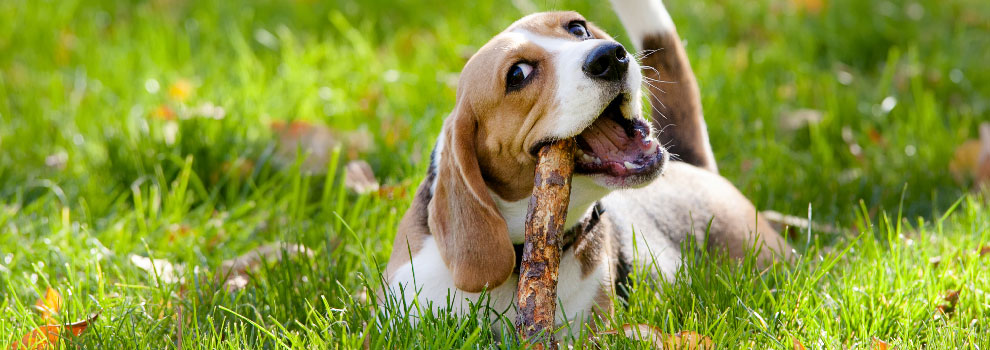
Bad breath in dogs is often the first sign of dental disease, caused by the buildup of tartar and plaque. This can be prevented by regularly brushing your dog’s teeth using dog-safe toothpaste. Smaller-breed dogs tend to accumulate plaque faster and may need professional cleanings more frequently than larger breeds.
Watch for signs of serious dental disease such as loose teeth, bleeding gums, difficulty eating, and excessive drooling. What many owners don’t realize is that untreated dental disease can lead to serious complications beyond the mouth, including heart and kidney problems, as bacteria from the mouth can enter the bloodstream. Dental chews, water additives, and regular vet checkups can all help keep your dog’s teeth healthy between professional cleanings.
What should I do if I notice a common dog health problem?
If your dog is showing any of the common symptoms or illnesses. Please contact your local veterinarian’s office and schedule an appointment. The faster an issue can be identified, the better the outcome.


