 All About Pets
The first time I boarded a dog, I spent more time worrying than my dog probably did.
I wondered whether she’d eat her meals, sleep comfortably, or spend the entire stay wondering where I had gone. If you’re boarding a dog for the first time, you’re probably asking yourself similar questions.
The good news is that most dogs adjust surprisingly well to boarding when they’re properly prepared. Choosing the right facility, understanding the requirements, maintaining your dog’s routine, and knowing what to expect can make the experience much less stressful for both of you.
Choose The Right Dog Boarding Facility
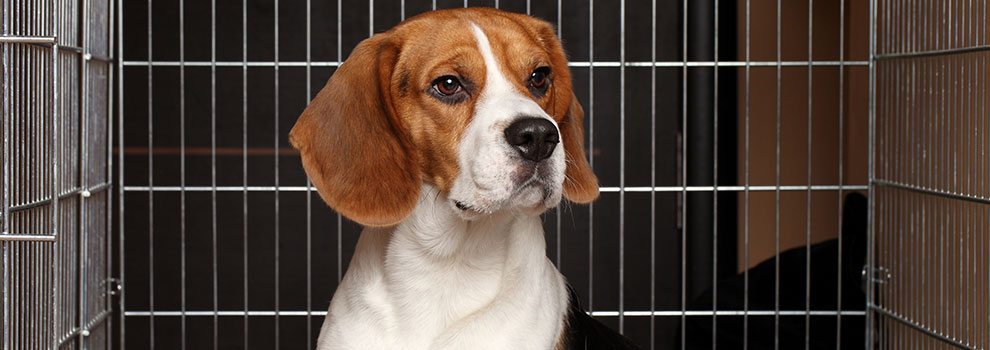
The boarding facility you choose will have the biggest impact on your dog’s experience.
A great facility can help your dog feel safe, comfortable, and engaged throughout their stay. Poor facilities can create unnecessary stress for both dogs and owners. That’s why this should be your first priority.
Before booking, schedule a tour whenever possible.
Walking through the facility allows you to see where dogs sleep, play, eat, and spend their downtime. You’ll also get a sense of the atmosphere. Is the environment clean? Do the dogs appear relaxed? Are staff members interacting positively with the animals?
Ask questions about daily routines, supervision, exercise, and emergency procedures. Good facilities welcome these questions and provide clear answers.
Some questions worth asking include:
- How often are dogs supervised?
- What does a typical day look like?
- How much exercise and playtime do dogs receive?
- What happens if a dog becomes sick or injured?
- Is veterinary care available if needed?
- How are medications administered?
I pay close attention to how the staff answers these questions. Clear and confident answers usually indicate established procedures. Hesitation or vague responses may signal a lack of consistency.
It’s also important to choose a facility that matches your dog’s personality.
For example, a social dog may thrive in a daycare-style boarding environment with group play sessions throughout the day. A senior dog or a more reserved pup may prefer a quieter setting with individual attention and scheduled walks.
Understand Boarding Requirements Before You Book
Most boarding facilities require health records before accepting a dog.
These requirements aren’t just paperwork. They help protect every dog in the facility from contagious illnesses and ensure staff can provide proper care.
While requirements vary, many boarding facilities require:
- Rabies vaccination
- DHPP vaccination
- Bordetella vaccination
- Current flea and tick prevention
- Emergency contact information
- Veterinary contact information
The Bordetella vaccine is particularly important because it helps protect against kennel cough, a highly contagious respiratory illness that can spread anywhere dogs gather.
One mistake many first-time owners make is waiting until the last minute to verify these requirements.
Some boarding facilities require vaccinations to be administered days or even weeks before arrival. If you wait too long, you may find yourself scrambling to schedule a veterinary appointment right before your trip.
Contact the facility early, request a list of requirements, and make sure you have plenty of time to gather the necessary documentation.
Book Your Dog’s Stay Early
Once you’ve selected a facility and confirmed the requirements, reserve your dog’s stay as soon as possible.
Quality boarding facilities often fill up quickly during busy travel periods. It’s not unusual for popular facilities to be fully booked weeks before Thanksgiving, Christmas, spring break, or summer vacation season.
Booking early gives you more flexibility and allows staff to prepare for any special accommodations your dog may need.
For example, if your dog requires medication, follows a specific feeding schedule, or has unique behavioral considerations, it’s easier to coordinate those details when arrangements are made well in advance.
Early booking also gives you time to complete paperwork, schedule vaccinations, and prepare your dog for the experience.
Prepare Your Dog For Their First Boarding

The best boarding experiences usually begin before the dog ever enters the facility.
For many dogs, the biggest challenge isn’t boarding itself. It’s spending time away from home in an unfamiliar environment.
One of the easiest ways to help is by practicing short separations.
If your dog rarely spends time away from you, start with small steps. Leave them with a trusted friend for a few hours or consider a short daycare visit if the boarding facility offers one.
I’ve seen many dogs settle into overnight boarding much faster after attending daycare a few times. Once the environment, staff, and routine become familiar, the overnight stay feels much less intimidating.
Maintaining your dog’s routine can also make a significant difference.
Try to keep feeding times, walks, exercise, and bedtime schedules consistent leading up to the stay. Dogs thrive on predictability. When most aspects of life remain familiar, they’re often better equipped to handle temporary changes.
Avoid introducing major changes before boarding.
Switching foods, changing sleeping arrangements, or dramatically altering your dog’s daily routine can add to the stress at a time when you’re trying to build confidence.
The goal is simple: help your dog view boarding as a normal experience rather than a sudden disruption.
Pack The Essentials And Leave Unnecessary Items At Home

Packing thoughtfully can help your dog stay comfortable while avoiding unnecessary complications.
Most boarding facilities provide essentials such as food bowls, bedding, and cleaning supplies. Confirm what is provided before you begin packing.
In most cases, you’ll want to bring:
- Enough food for the entire stay, plus a little extra
- Written feeding instructions
- Medications and dosage instructions
- Emergency contact information
- Veterinary records, if required
- A facility-approved comfort item
Keeping your dog on their regular food is especially important. Dietary changes can cause digestive upset, and the last thing your dog needs during a boarding stay is an upset stomach.
Just as important is knowing what not to pack.
Many facilities discourage owners from bringing expensive toys, irreplaceable blankets, large beds, or specialty treats.
There are practical reasons for these policies. Valuable items can be lost or damaged. Large bedding may not fit facility accommodations. New treats can upset your dog’s stomach. Even a favorite toy may become difficult to recover if it gets mixed in with facility equipment.
When in doubt, ask the facility for a recommended packing list.
Prepare For Drop-Off Day

Drop-off day is often harder on owners than it is on dogs.
Your goal is to make the transition feel calm, positive, and routine.
Before arriving, give your dog an opportunity to burn off some energy. A walk, game of fetch, or play session can help them arrive feeling relaxed rather than overly excited.
When it’s time to say goodbye, keep it short.
Many owners instinctively linger, offer repeated reassurances, or become visibly emotional. While completely understandable, these behaviors can sometimes increase a dog’s uncertainty.
Dogs look to us for cues about how to react. If we communicate confidence, they’re more likely to view the situation positively.
A simple goodbye, a calm handoff, and a positive attitude are often the best approach.
Make sure all paperwork is complete and any medications are clearly labeled before you arrive. This allows staff to focus on helping your dog settle in rather than addressing administrative issues.
Know What To Expect When Boarding Your Dog
One of the biggest fears surrounding a first boarding experience is not knowing what happens after you leave.
Fortunately, most facilities operate on structured schedules designed to help dogs feel secure.
A typical day may include meals, potty breaks, playtime, exercise sessions, rest periods, and staff interaction throughout the day.
Don’t be surprised if your dog behaves a little differently during the first day or two.
Some dogs eat less as they adjust to a new environment. Others spend time observing before joining activities. Staff members regularly observe these behaviors and know how to monitor dogs as they settle in.
I’ve spoken with many owners who worried their dog would spend the entire stay looking for them. In reality, most dogs become far more interested in exploring their surroundings, meeting staff, and engaging with their daily routine.
Many facilities also provide updates, photos, or report cards during longer stays. While these updates can be reassuring, remember that the staff’s primary focus is caring for the dogs.
Most dogs adapt faster than their owners expect.
Help Your Dog Transition Home After The Kennel
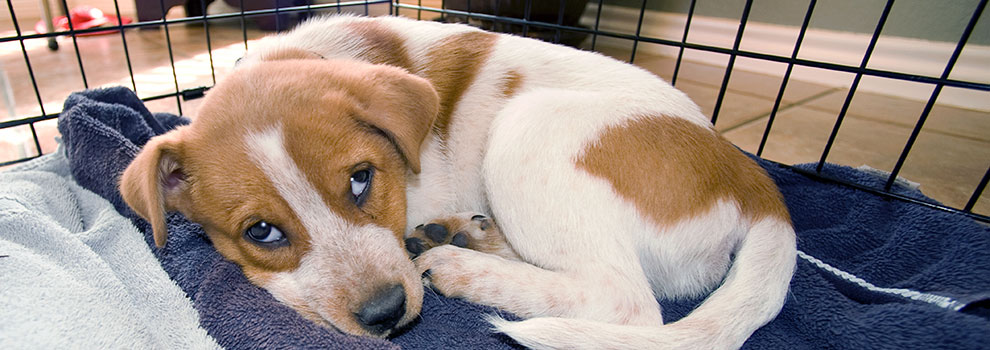
Your dog’s return home is the final step in the boarding process.
Don’t be surprised if your dog seems tired after pickup. Even dogs that enjoy boarding are exposed to new experiences, social interactions, and activity throughout the day.
Many dogs spend their first day home catching up on sleep.
Return to your normal feeding, exercise, and bedtime routines as quickly as possible. Familiar schedules help dogs readjust and settle back into home life.
Some dogs may seek extra affection. Others may prefer a little quiet time. Both responses are completely normal.
Continue monitoring your dog’s health after the stay. If you notice persistent coughing, digestive issues, lethargy, or other concerning symptoms, contact your veterinarian and the boarding facility.
For most dogs, however, the transition home is quick and uneventful.
Final Thoughts
Boarding a dog for the first time can feel overwhelming, but preparation goes a long way toward creating a positive experience.
Choosing the right boarding facility, understanding vaccination requirements, maintaining your dog’s routine, packing thoughtfully, and preparing for drop-off can help your dog feel more comfortable throughout their stay.
The first boarding experience is often the hardest because everything is unfamiliar. Once your dog understands the routine, future stays typically become much easier.
With a little planning and the right facility, boarding can become a safe, reliable option whenever you need to travel.